
Imagine a time when sugar was prescribed, not avoided. For much of its early history, sugar was considered a valuable medicinal ingredient. Today, its overconsumption is linked to some of the world’s most widespread diseases. How did sugar go from being a healing luxury to a global health concern? The answer is a story spanning continents and centuries, and one of its decisive chapters unfolded during the Crusades (1095–1291 CE).
A spoonful of sugar makes the medicine go down
Sugar is traditionally extracted from sugarcane (Figure 1), a tropical plant native to Southeast Asia that was domesticated over 8,000 years ago. It slowly spread westward through India—where the extraction process likely developed—and Persia, eventually reaching the Mediterranean basin. While the Greeks and Romans encountered sugar through trade as early as the 3rd century BCE, it wasn’t widely cultivated in the eastern Mediterranean until the Arab agricultural revolution in the 7th century CE. Early civilizations valued sugar for its healing properties, also relying on its sweet taste to make bitter remedies more palatable. Ancient Sanskrit texts cited sugar for stomach ailments, while Islamic physicians used it to restore appetite, treat respiratory or kidney conditions and eyelid inflammations. In Arabic hospitals, sugar was a key ingredient in “julep”—a therapeutic syrup of sugar, water, and rosewater. It was also incorporated into pills, pastilles, enemas, and suppositories. At this time, sugarcane was cultivated across Egypt, Syria, and Palestine, later spreading through North Africa and into southern Spain and Italy along the routes of Arab conquest. This expansion led to improvement of farming practices and processing techniques. Although sugar occasionally appeared at elite banquets and special celebrations, it remained far from a dietary staple. At the time, few could have imagined that this sweet substance would one day become a worldwide obsession.
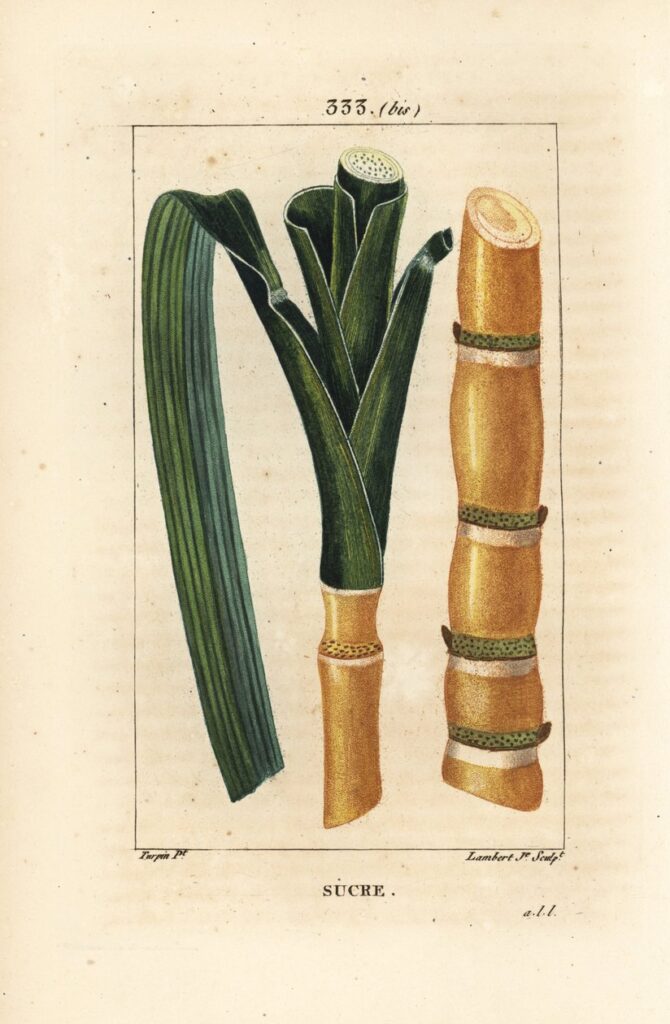
Figure 1. Sugar cane (Saccharum officinarum) stalk and leaf (image by Yetien, public domain)

Sweet relief in difficult times
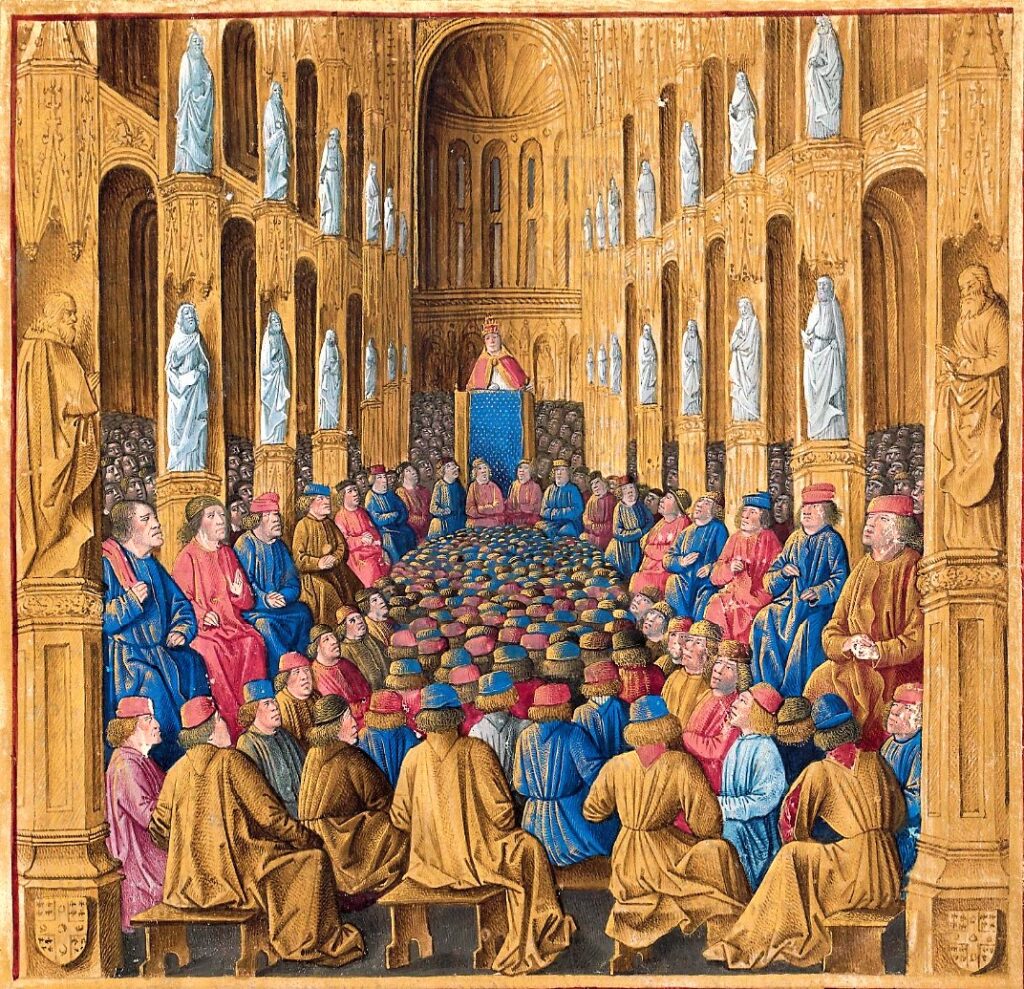
Figure 2. Pope Urban II preaching at the Council of Clermont (image by Alonso de Mendoza, public domain)

On the 27th November 1095, Pope Urban II delivered a speech to a large assembly at the Council of Clermont in France (Figure 2) that would change the course of history by giving rise to the Crusades. Successive waves of Latin Christians, known as Franks, flooded into the Near East. They were driven either by the Pope’s appeal to defend regional Christians against expanding Muslim control or by the personal pursuit of wealth, territory, and religious atonement.
“In those cultivated fields through which we passed on our march, there were certain ripe plants, very much like reeds, which the people called cannamelles. The name is composed of the words canna and mel, whence, I think, it is also called wood-honey, which is skilfully made from it” (Krey, 1921, p. 273) – translated from the pilgrim’s account of Fulcher of Chartres
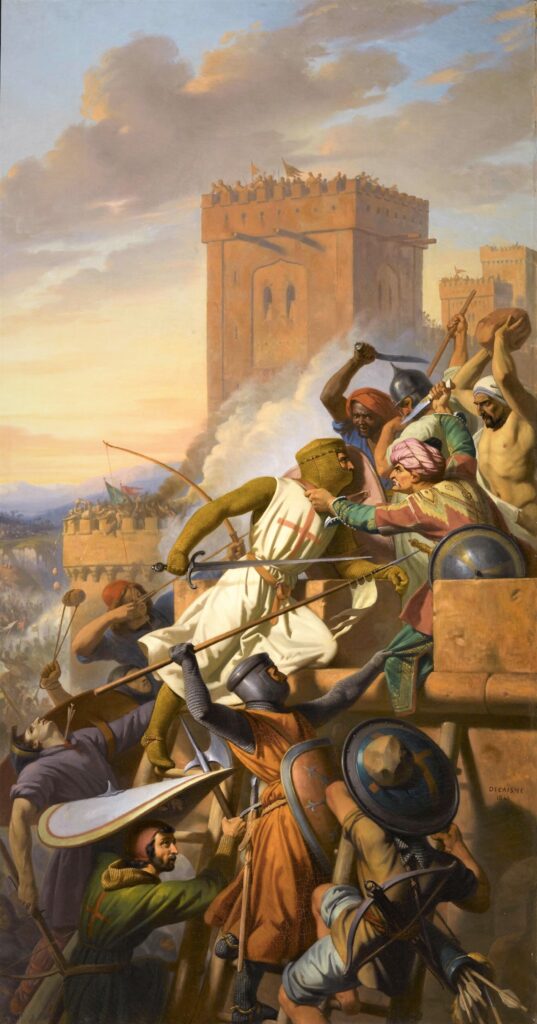
Figure 3. Taking of the fortress of Maarat by the Crusaders in 1098 (image by Amitchell125, public domain)

For many, arrival in this new land was nothing short of a sensory shock marked by unfamiliar sounds, textures, and tastes. Among the many novelties was sugarcane. Though marginally cultivated in southern Europe, sugar was largely unknown to Frankish settlers who now came face to face with it. In recounting the events of a famous siege at Maʿarrat al-Nuʿman (Figure 3), Syria in 1098, Fulcher of Chartres described how weary soldiers, beset by hunger and the cold, encountered a plant whose sweet taste offered a measure of relief from their suffering. During the early years of the Crusades, this plant, which he called cannamelle, was considered a saving grace for many soldiers in peril. As the Franks became more familiar with it, they soon recognized its economic potential. Existing sugarcane plantations were appropriated from their Muslim owners and new ones created, all managed by the existing skilled workforce at the behest of their new feudal lords. Investors in this new sweet business included Frankish lords, military orders and Italian merchants, who also controlled the trade routes. Under this new regime, sugarcane cultivation evolved from a small-scale activity into a highly organized industry, marking a pivotal moment in its global ascent.
The new land for sugar
By the late 12th century, Cyprus had entered the orbit of Crusader rule. After its conquest by Richard the Lionheart, the island was sold to the Knights Templar and soon thereafter to Guy de Lusignan. Traditionally known as the land of copper, Cyprus gained new renown as a major sugar exporter under Frankish control. Along with the establishment of plantations came the construction of several sugar processing installations and ultimately the development of a new kind of plantation economy. This new system, which often relied on exploitative labour practices, would be modelled well into the 19th century by European colonialists. While sugar does not survive well archaeologically, the remains of the sugar milling facilities and the vast water delivery systems needed for the irrigation of sugarcane fields and manufacturing are still visible in the landscape of Cyprus and parts of the Near East. Cypriot sites such as Kouklia-Stavros, formerly a royal estate, Episkopi-Seraya, controlled by the Venetians, and the Kolossi castle complex (Figure 4), administered by the Hospitaller Knights and still accessible to visitors today, provide some of the most significant archaeological evidence for this industry during this period. The copious amounts of ceramic sugar moulds and molasses jars recovered from these sites attest to mass production, speaking to the economic significance of sugar as a burgeoning commodity in medieval trade networks.
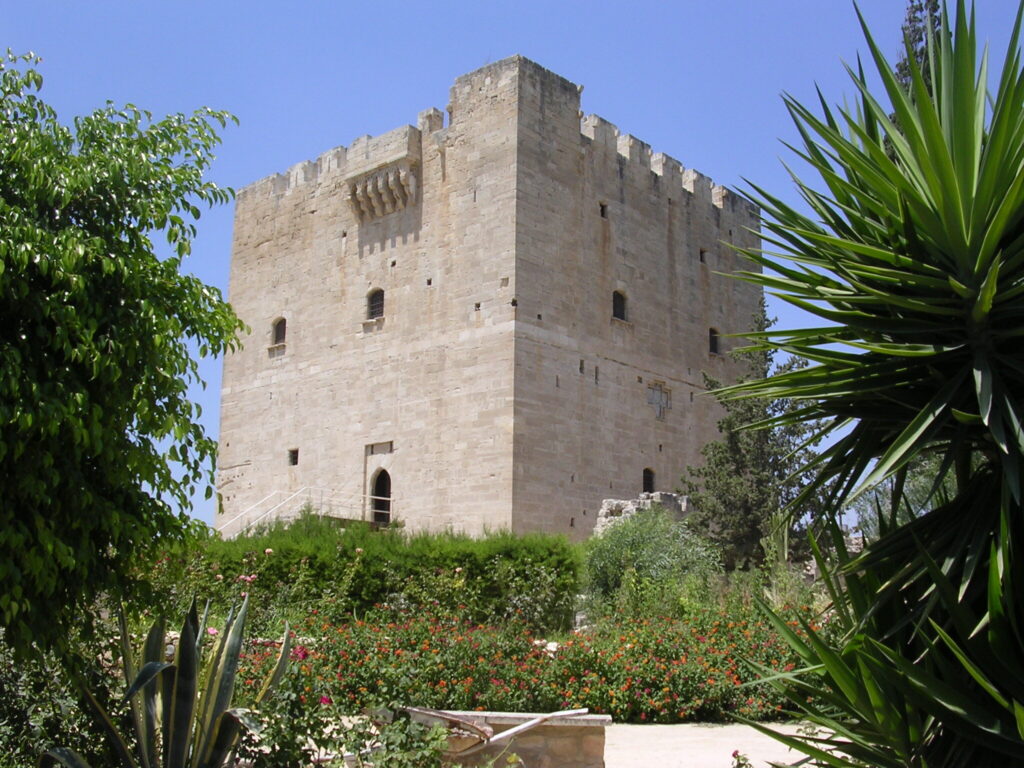
Figure 4. Kolossi castle, Larnaca, Cyprus (image by Abraham, public domain)

A feast for the eyes
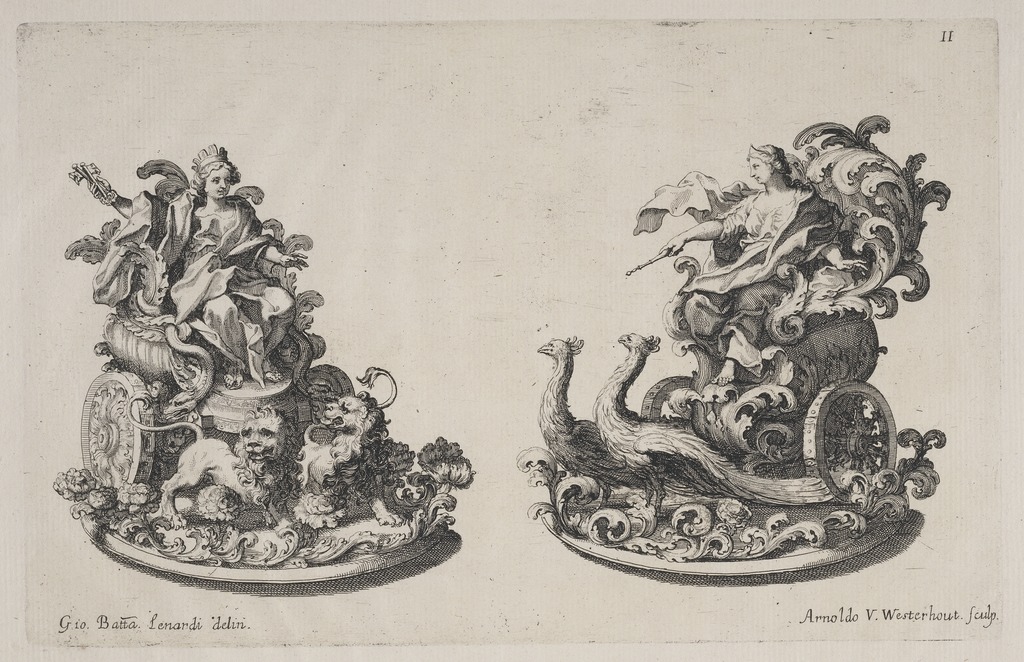
Beyond securing control of sugar-producing lands, the Crusaders also became acquainted with local knowledge of its medicinal uses, incorporating it into treatments in their hospitals in the Near East and contributing to its diffusion across Europe. The regulation of health through diet was a central concern in the medieval period, and as such sugar began to gradually shift from a purely medicinal substance to a culinary ingredient. Evidence from 13th century cookbooks suggests its increasing presence in elite cuisine, where it began to rival honey as a sweetener. Feasting, a central social ritual of the medieval world, offered a stage upon which status could be displayed through the variety, quantity, and presentation of food—and it was here that sugar found its most spectacular expression. As early as the 11th century, Arab sultans had commissioned artists known as sukker nakkasarli to craft elaborate sugar sculptures for their banquets. With the dissemination of sugar throughout western Europe, largely due to the Crusades, this form of edible artistry was adopted by European aristocrats. In 1574, a grand ball in Venice honoring King Henri III of France featured nearly 300 of these sugar sculptures, crafted by renowned Italian artists into mythical beasts, animals and female figures. Slowly sugar was earning a seat at the table.
Figure 5. Sugar sculpture designs for a banquet given by British Ambassador Roger Palmer, Earl of Castlemaine, in Rome on January 14, 1687 (image by Bigfan, public domain)

The final frontier
The Crusades were not the beginning of sugar’s story nor its end. After the end of Crusader dominion in the east, many formerly Crusader-owned installations passed into the hands of the Mamluks—a powerful military class in the Muslim world, who continued to profit from the crop. By this time, its production had moved even further west reaching as far as the island of Madeira in Portugal. The next major shift for this crop came with the establishment of the New World in the 15th century. The tropical environments of the Americas proved ideally suited to large-scale sugarcane cultivation, and the crop soon made its decisive leap across the Atlantic. By the 16th century, higher-quality and more abundant sugar from the New World contributed to the decline of the once-thriving Mediterranean sugar industry, ushering in a new chapter in the history of sugar—one defined by its truly global reach. As production expanded and costs fell driven in part by the exploitation of enslaved labor in the New World, sugar became increasingly accessible and, in turn, more widely consumed.
Today, sugar is so commonplace that its extraordinary history often goes unnoticed. The Crusades represent one chapter in the sugar novel, though one that defines the course of the story. The Crusaders helped to unlock sugar’s economic potential, springborded its global expansion, and gave rise to an unprecedented economic model. Sugar’s journey from an elite healing remedy to a global commodity reflects the complex exchanges, adaptations, and transformations that have shaped our world. Just something to think about the next time you use a sugar cube to sweeten your coffee.
Cited work
Krey, A. C., 1921. The First Crusade: The Accounts of Eye Witnesses and Participants. Princeton: Princeton University Press.